
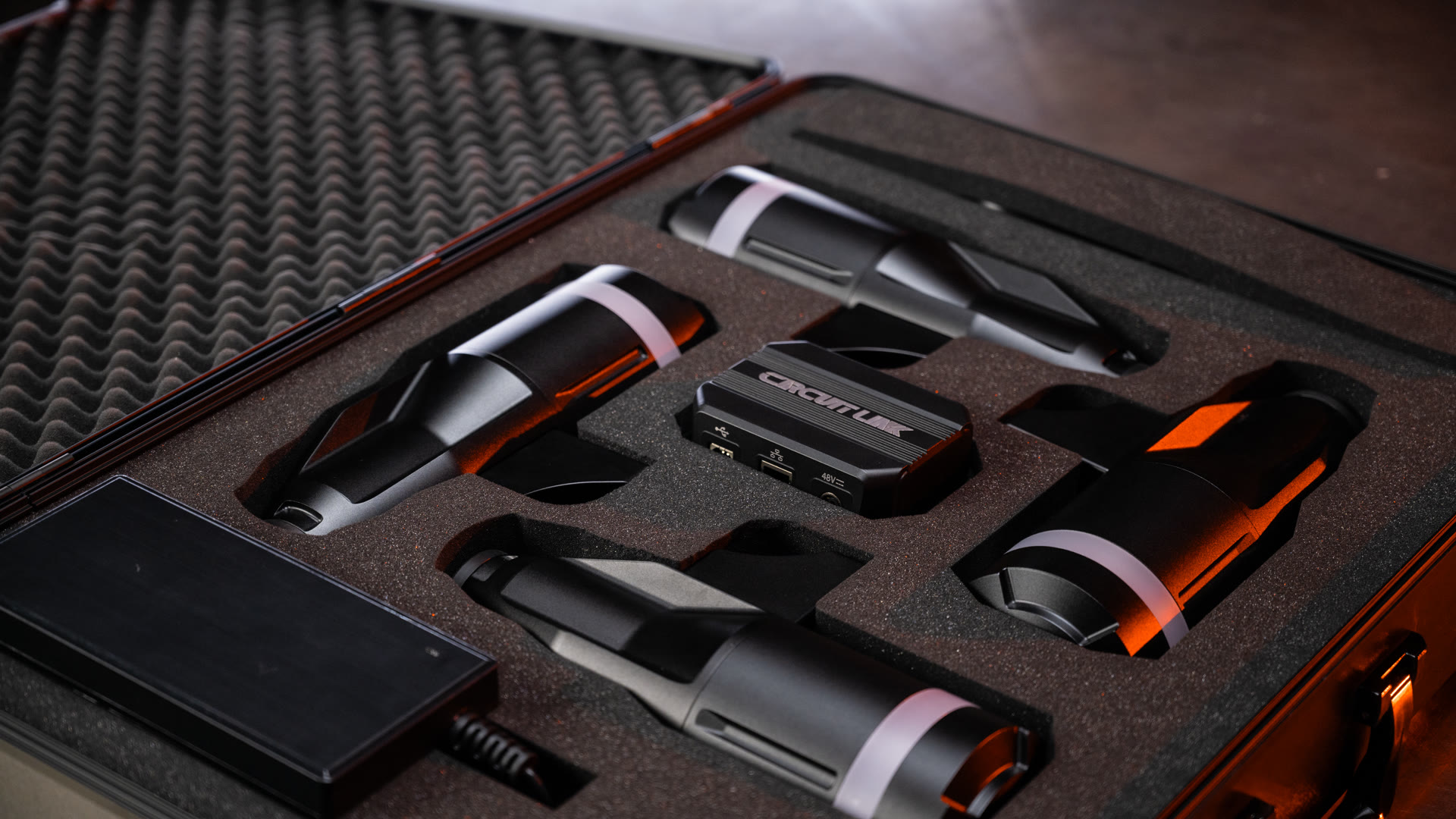
MOTION BY CIRCUITONE
DF1 Motion System
Four-axis motion, built for precise feedback and compact rigs.
Explore DF1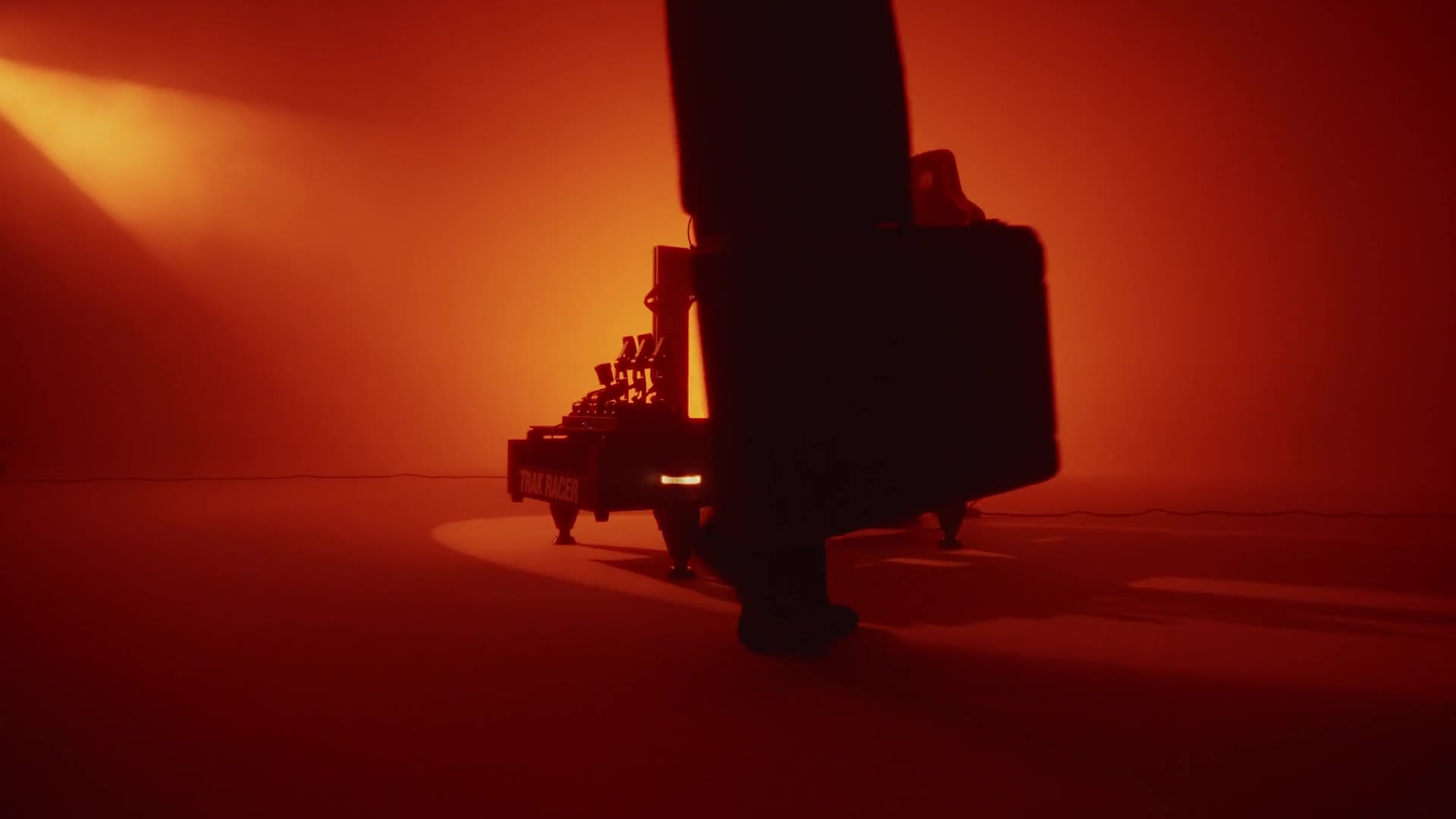
This is D Force 1. High-performance motion for precise feedback, in a compact build.
Learn More
Four-axis motion, built for precise feedback and compact rigs.
Explore DF1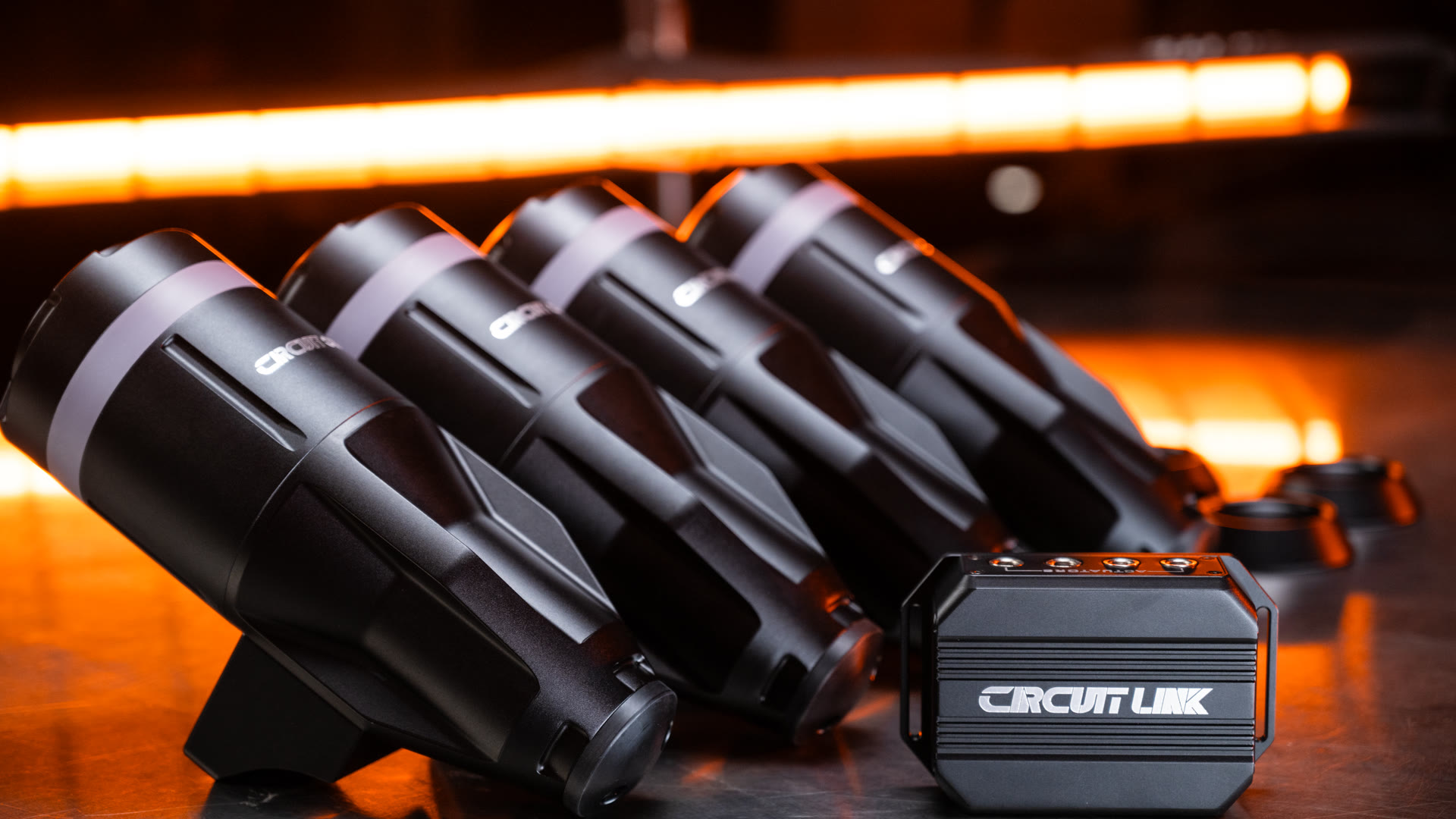
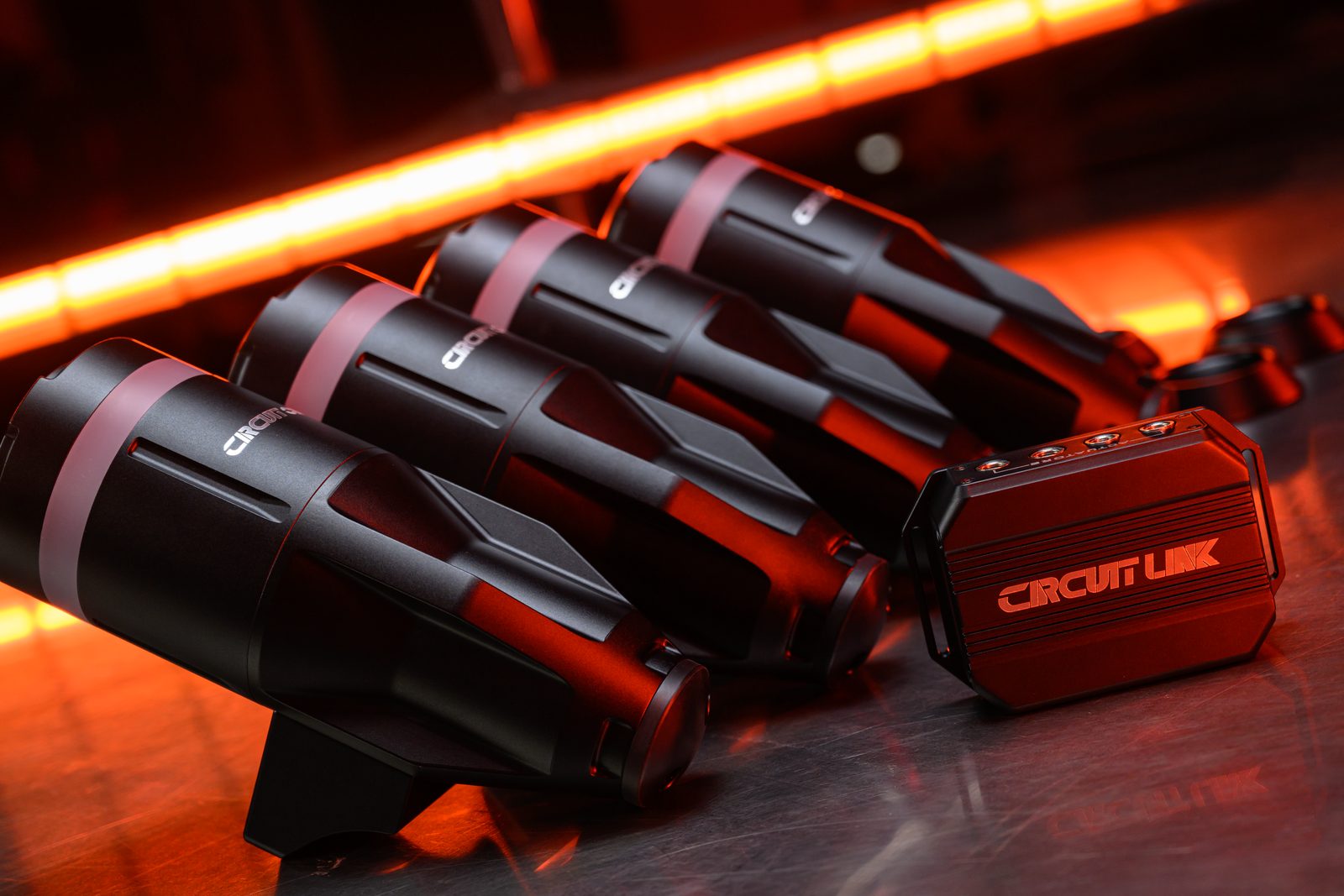
Four actuators and one control box, staged for a clean install.
View the DF1 setup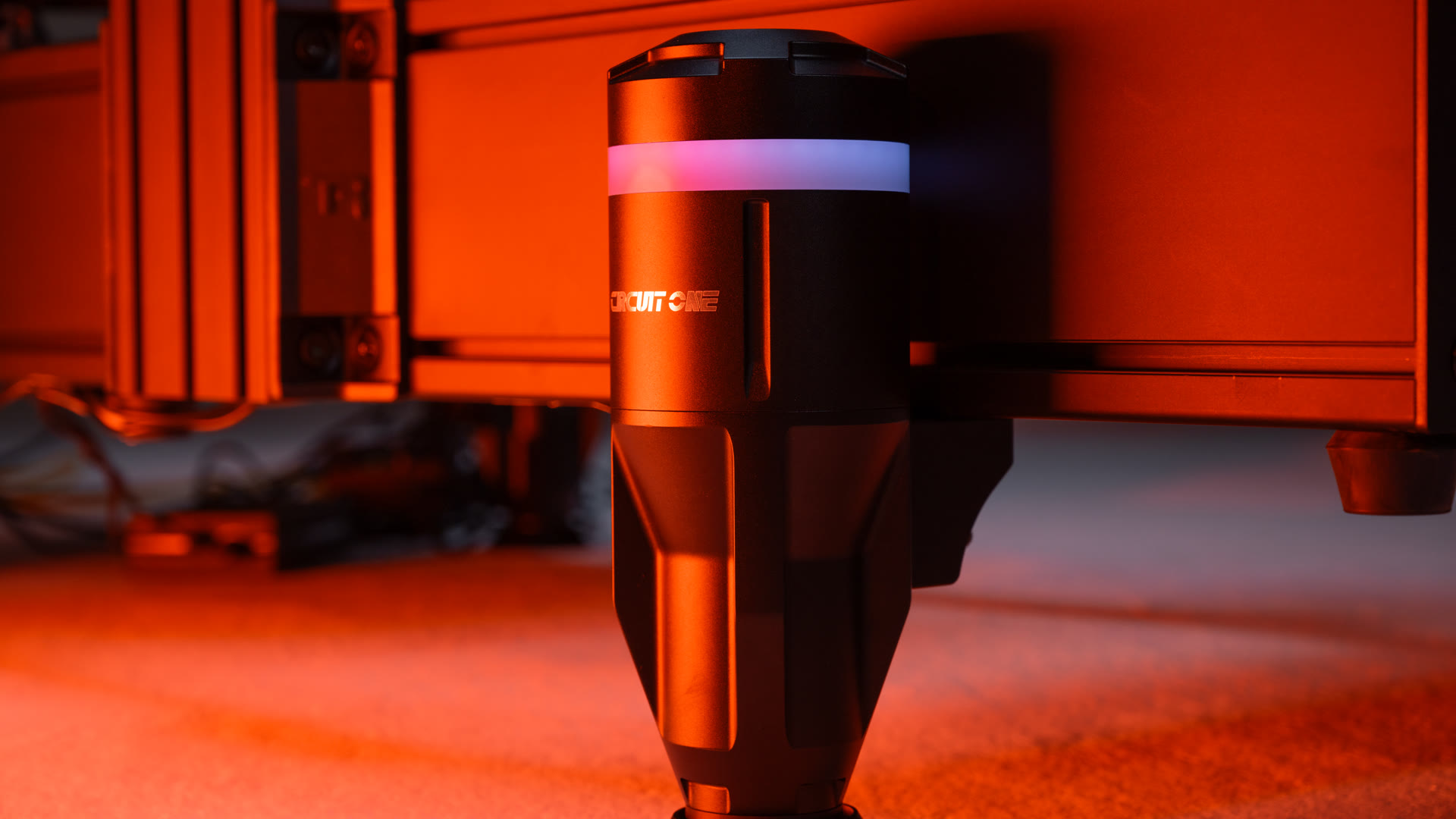
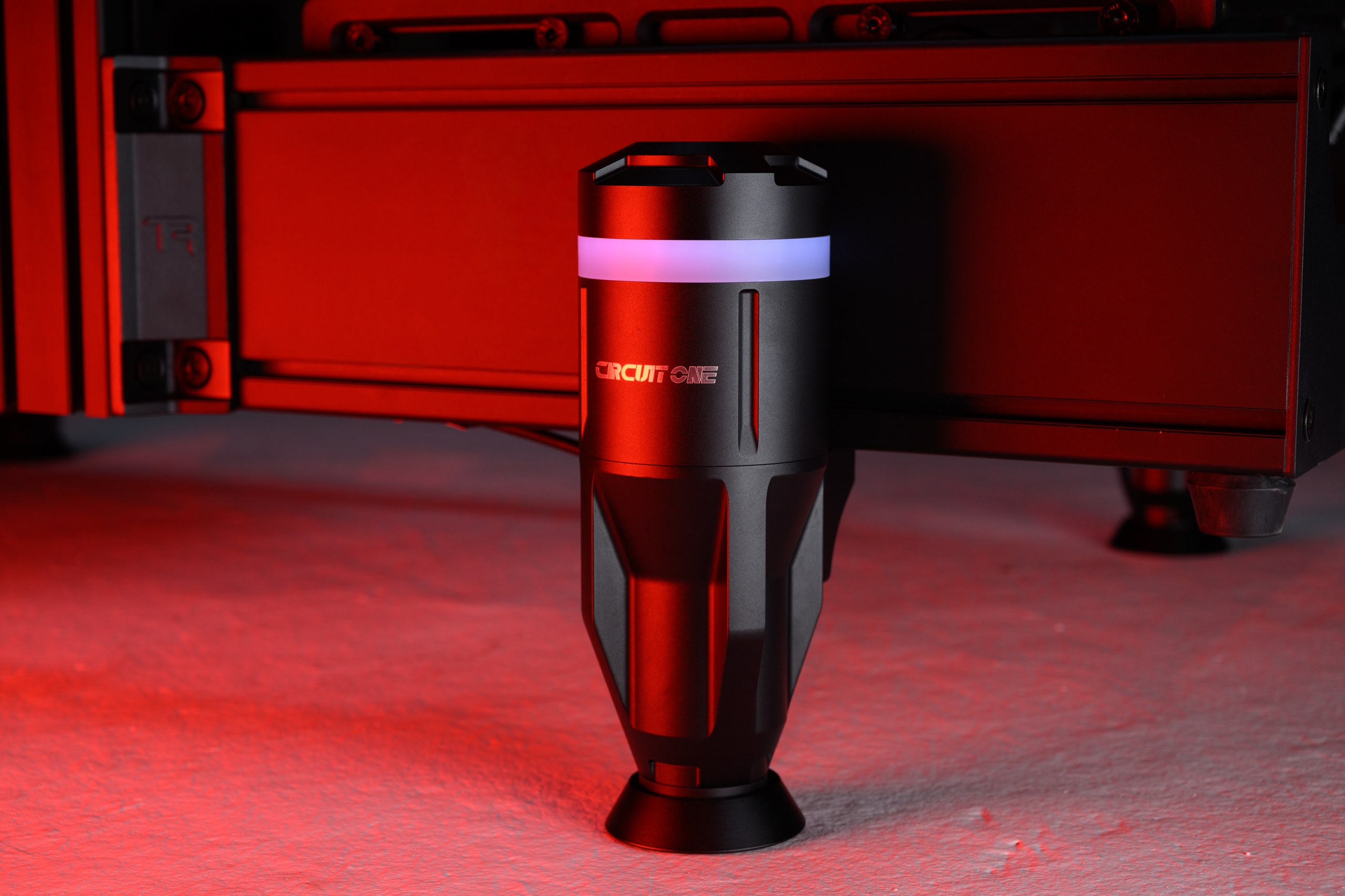
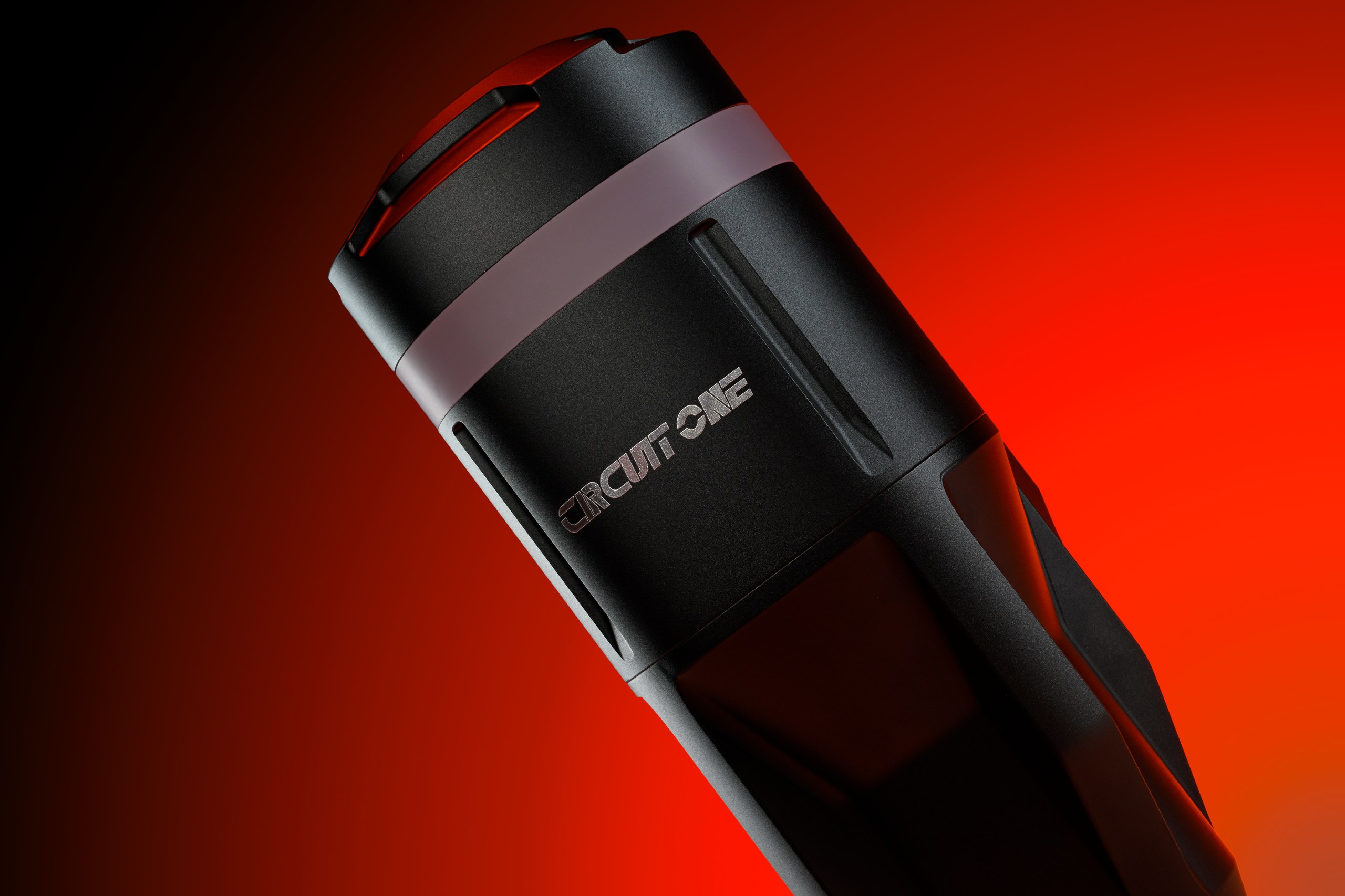
A compact DF1 actuator with telemetry-ready RGB status lighting.
View Full Specifications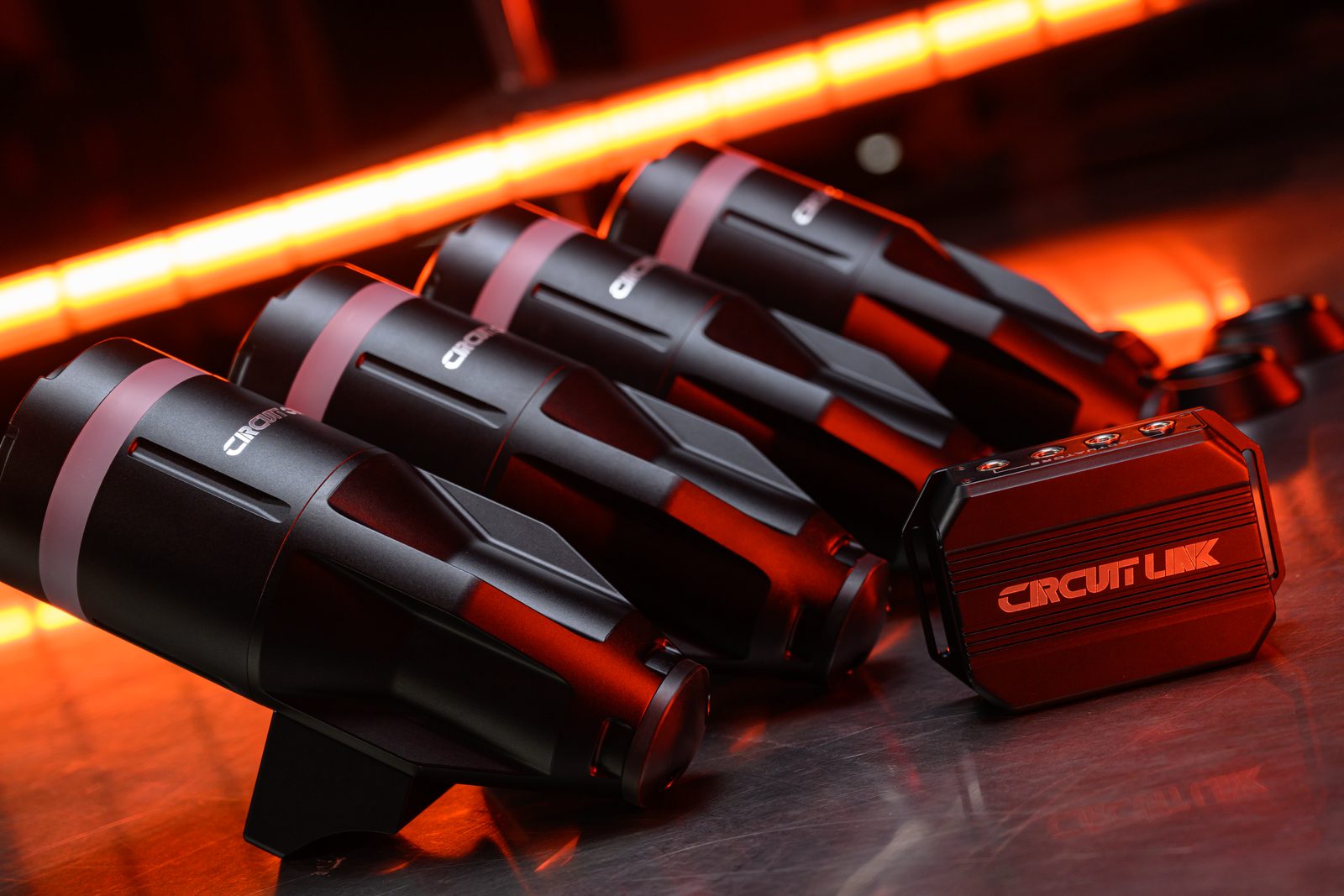
Competition-grade four-axis motion, sized for the rig you own.
180 kg of lift and 50 mm of tightly controlled stroke per axis.
Precision where it counts, not motion that feels like a roller coaster.
D Force 1 was built to inform. Deep, immersive motion that's responsive.
0-100 Hz puts real detail in your hands, from kerbs to grip loss.
Founded and raced by real and sim drivers.
180 kg
Lift Per Axis
50 mm
Controlled Stroke
0-100 Hz
Pure Detail
8 Screws
Full Install
Most motion systems ask you to rebuild the rig around them. D Force 1 works the other way. It bolts to standard 8020 profile, runs one cable per axis, and disappears into the chassis you already race on.
At 257 mm end to end and 3.55 kg per axis, D Force 1 fits rigs that cannot take a conventional actuator.
50 mm of stroke sounds small until you feel it. Short, tightly controlled travel resolves the details that make you faster. Kerb edges, grip breaking away, weight transfer, and more.
Enough headroom to move a loaded cockpit without sagging under a heavier driver or a full-motion seat. Tested in gruelling, long races like iRacing's Spa 24, loved by top split drivers.
A wide frequency range separates a curb strike from tire scrub instead of blurring both into one buzz.
No polarity, no loom, no guesswork. Each actuator runs a single cable back to the LINK box.
A complete four-axis build uses eight screws and no adapter plates. Most owners are racing the same afternoon.
D Force 1 mounts to standard 8020 aluminum profile. No adapter maze, no custom brackets, and no drilling into a chassis you paid good money for.
Fasten once, align once, and stay rigid on 8020-style rigs.
Clean cable paths and predictable connections for first-time setup.
Compatibility, supported axes, and software requirements at a glance.
Telemetry-linked LEDs put ABS, traction control, and flag states on the hardware itself, so you are not pulling your eyes off the apex to check a second screen.
Your chosen color and flash pattern fire the instant ABS engages.
Map live TC state per preset or per supported game profile.
Route yellow, red, and blue flags to their own LED responses.
Layer multiple telemetry triggers with priority rules you set.
Tuning, presets, telemetry configuration, RPM lights, OTA firmware, and quick-launch flow are designed as one operating layer instead of scattered companion tools.
Calibrate clutch bite point, separation points, paddle curves, rocker mode, and lock sync per axis.
Keep factory presets and personal setups side by side, then switch between rigs or car classes instantly.
Build per-gear RPM thresholds with individual LED color rules and full rev-light behavior.
Bind button LEDs to ABS, traction control, flags, and custom states.
Deliver updates through the app with version confidence and no manual flashing workflow.
Quick-launch supported sims with the correct device profile preloaded.
Short travel does not mean less information. It reduces overshoot so grip changes stay readable instead of being buried inside large body movement.
Keeps tire-load changes, curb edges, and slip onset inside a tight readable window.
Adds drama, but it can blur the first small signal that tells you grip is leaving.
Smaller movement keeps timing intact so you can feel the first useful signal.
Bigger chassis swing feels obvious, but the first fine-grain cue arrives less clearly.
Different frequency bands tell different truths. Low frequency carries weight and slip; higher frequency carries surface texture and the first hint of lock-up.
Built with active sim racers and validated against the kind of stints that expose weak hardware, weak feedback timing, and weak software decisions.
DF1 four-axis motion system in action.